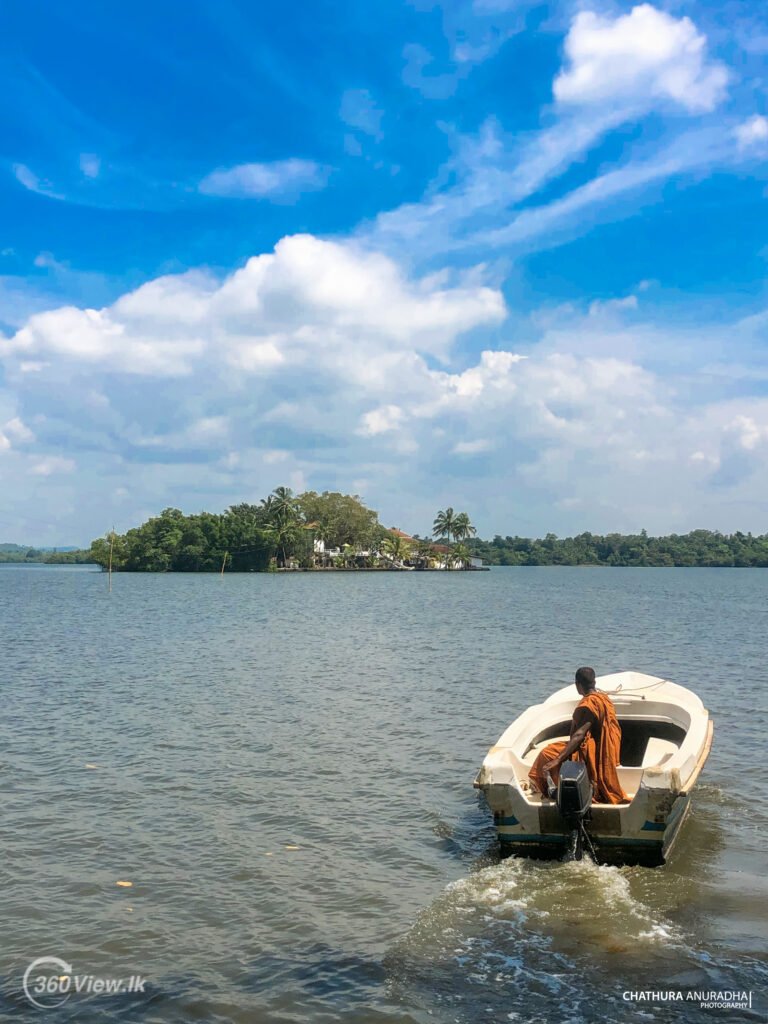
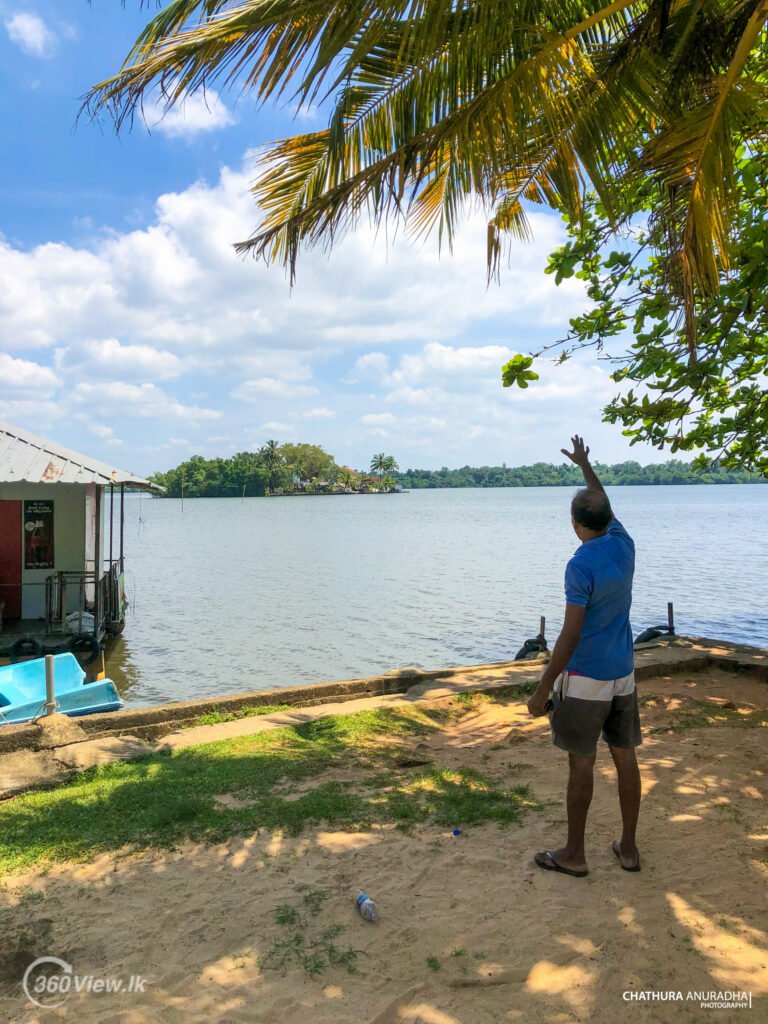
History of Kothduwa Temple

Unfolding The Sacred Story

Legends & Sacred Relics

Kothduwa Island is not only a place of natural beauty but also a site steeped in legend. According to ancient Sri Lankan chronicles, the Sacred Tooth Relic of the Buddha was brought from Kalinga, India, to Sri Lanka in the 4th century CE by Princess Hemamala and Prince Danthakumara. During their journey, they briefly sheltered the relic on Kothduwa Island, making it one of the earliest resting places of this sacred treasure. Later, during the 16th century, amid conflicts between the Kingdoms of Sitawaka and Kotte and the presence of the Portuguese on the coast, the island again served as a refuge for sacred treasures, reinforcing its spiritual significance.

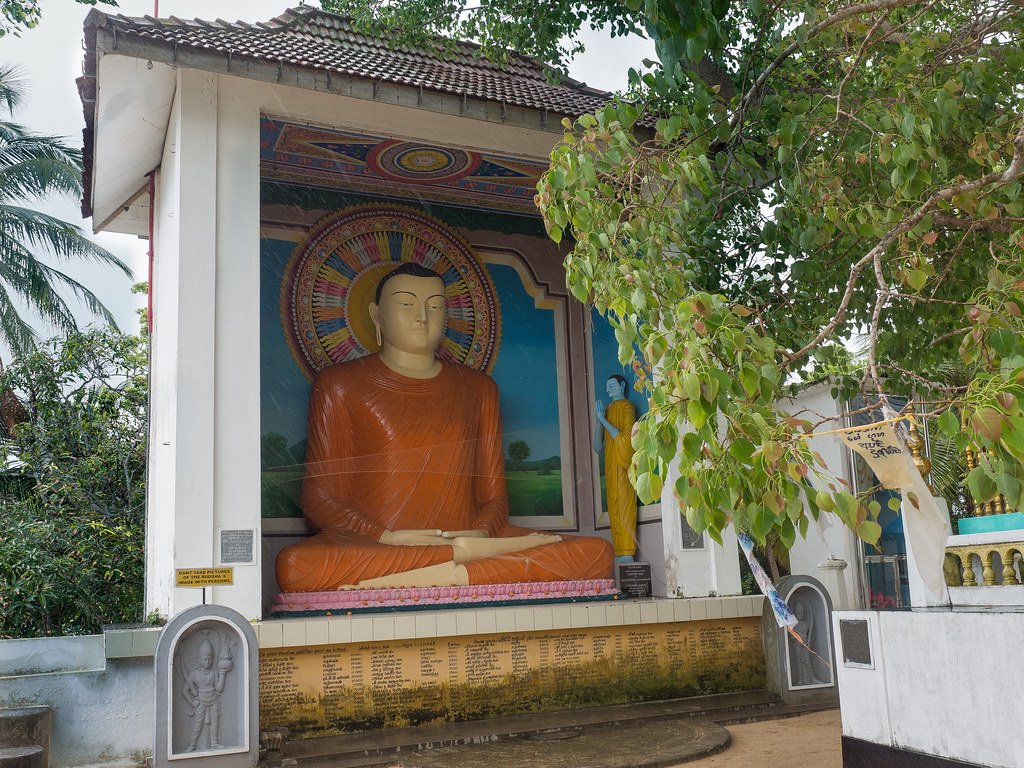
The Sacred Bodhi Tree

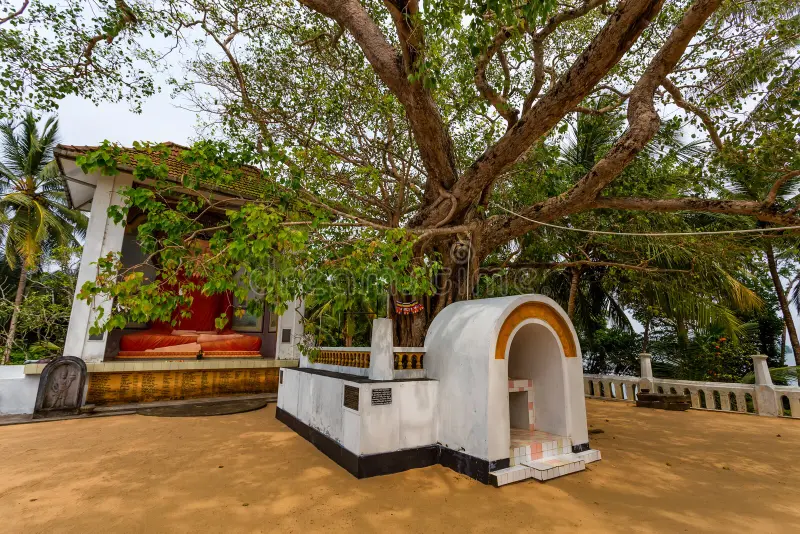
At the heart of Kothduwa Temple stands a majestic Bodhi tree, believed to have been planted by the King Of Devanampiya Tissa during the 14th century. This tree is a sapling of the Jaya Sri Maha Bodhi in Anuradhapura, one of the oldest and most revered trees in the Buddhist world. Devotees regard the Bodhi tree as a living symbol of enlightenment, offering a place for meditation, prayers, and offerings. Its presence links the temple to centuries of Buddhist tradition and highlights the spiritual heritage of Sri Lanka.

Restoration & Modern History

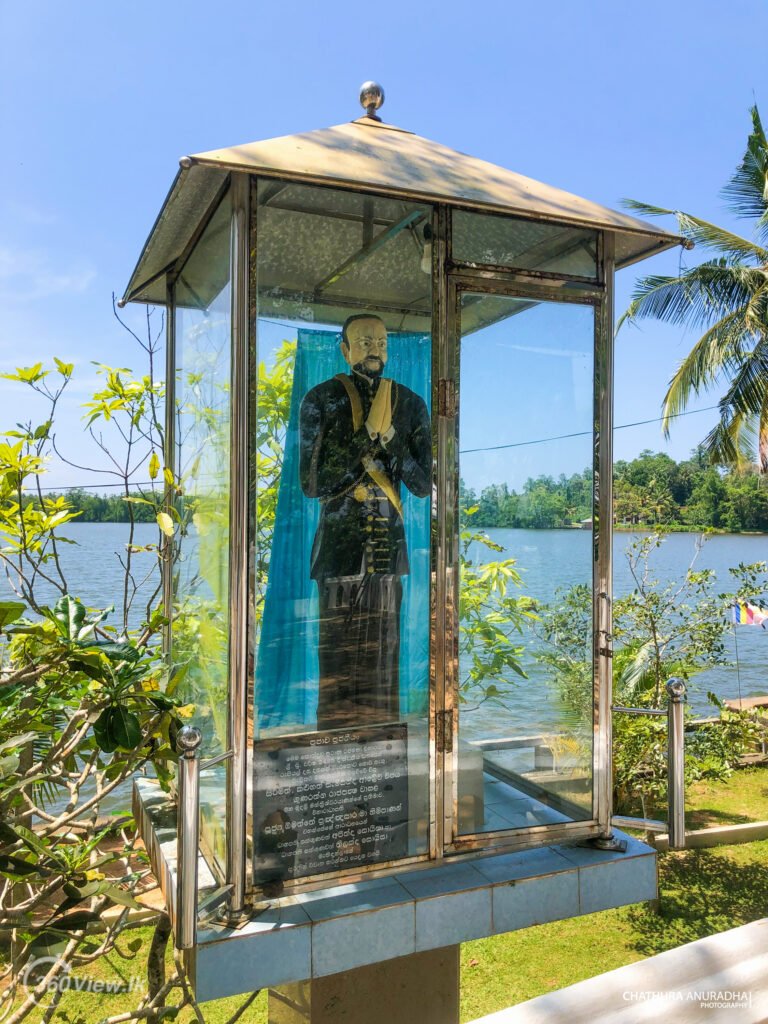
By the 19th century, Kothduwa Temple had fallen into relative neglect, hidden among the mangroves and separated from the mainland. It was during this period that Mudaliyar Samson Rajapakse, a devoted local benefactor, took interest in restoring the sacred site. He funded the construction of the present temple buildings, including the image house, shrine rooms, and living quarters for monks. By the 1880s, the temple was revived as a center of worship and spiritual learning. The architecture reflects a blend of traditional Sinhalese design with subtle colonial influences, demonstrating a harmony between heritage and function.

Temple Architecture & Design

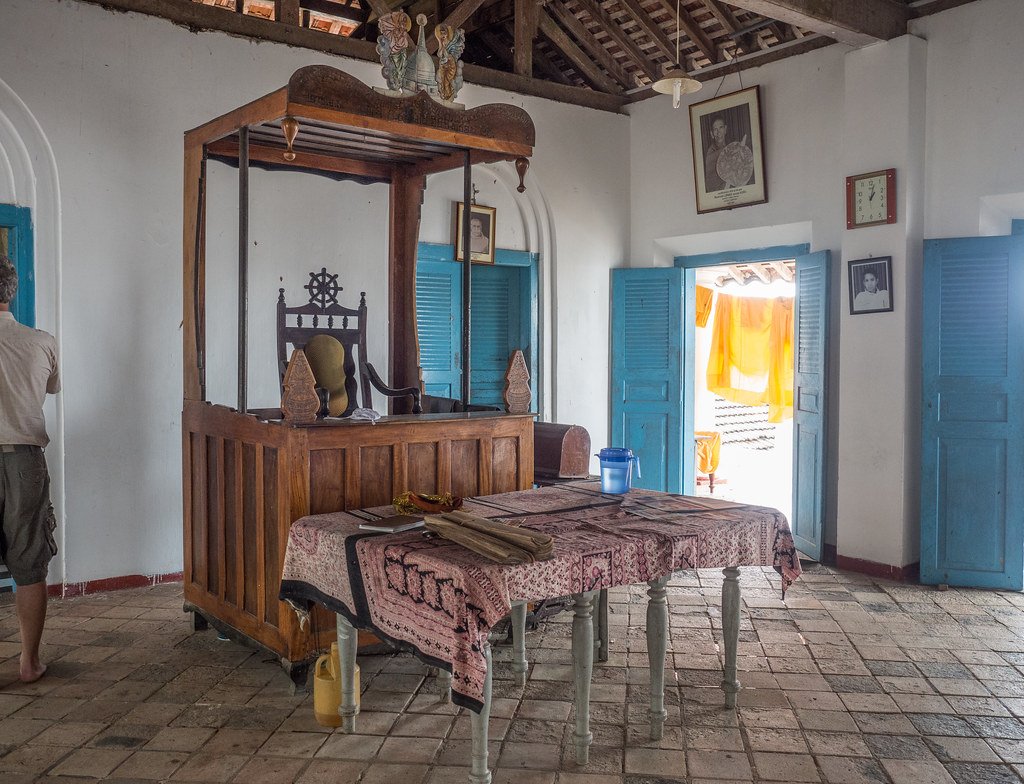
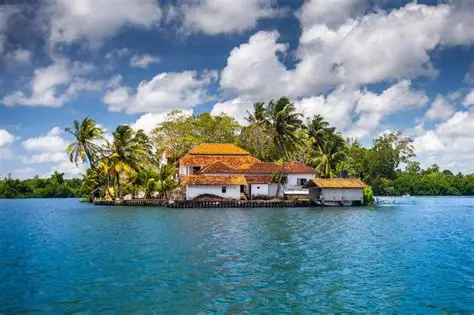
Kothduwa Temple’s architecture embodies simplicity, elegance, and functionality, harmonizing with the natural surroundings of the Madu Ganga estuary. The image house features terracotta-tiled floors, timber roofs, and intricate carvings that reflect traditional craftsmanship. Verandas extend to the water’s edge, allowing monks and devotees to enjoy the serene river views. The overall layout creates a tranquil environment that enhances meditation, reflection, and spiritual practice.

Cultural & Ecological Significance

Nestled within the Madu River estuary, a UNESCO-recognized wetland, Kothduwa Temple stands at the intersection of culture and nature. The surrounding mangroves, small islands, and rich biodiversity create a peaceful environment that complements the temple’s spiritual atmosphere. The temple’s location within this ecologically important estuary emphasizes the balance between cultural heritage and environmental preservation, making it a sanctuary for both devotees and nature lovers.

Official Temple History Videos

Experience the spiritual journey of Kothduwa Rajamaha Viharaya in both Sinhala and English.

කොත්දූව පන්සල - Sinhala Version

Kothduwa Temple history - English Version

Watch Our Videos - SINHALA

Watch Our Videos - ENGLISH

Kings & the Sacred Legacy

Buddhists consider this place very sacred is because it had been blessed with one of the 32 bo- -saplings (Dethis Pala Bodhin Vahanse) which were brought to Sri Lanka during the reign of King Parakramabahu and planted by Minister Deva Pathiraja. The Bodhi tree in the temple is strongly believed to be a bud from the Jaya Sri Maha Bodhi, which is believed to be the oldest human planted tree in the world. It became a temple when Samson Rajapakse Wasala Mudali buit the temple revolving around the Bodhi in 1971.

How to go to Kothduwa Raja Maha Viharaya

The Kothduwa temple, or Koth Duwa Raja Maha Viharaya, is a Buddhist temple located on Kothduwa Island on the Madu Ganga in southern Sri Lanka. The island is located in Galle District of the Southern Province approximately 35 km north of Galle and 88 km south of Colombo.

Nearby Attractions to Kothduwa Raja Maha Viharaya

  • Maduwa Temple and Pattini Devale [ 0.98 km ]
  • Ancient Galvehera Bogahapitiya Temple [ 1.29 km ]
  • Balapitiya Purana Viharaya [ 2.1 km ]
  • Maha Kappina Walawwa [ 2.33 km ]
Scroll to Top